Presenters: Dr. Tara V. McCarty and Gabriela Berlanga
Presented on: February 21, 2026
Time: 2 hours
Cost: $25
Format: Archive
CE Info: Archived workshops are eligible for ASHA PDHs and CA CE credits/hours
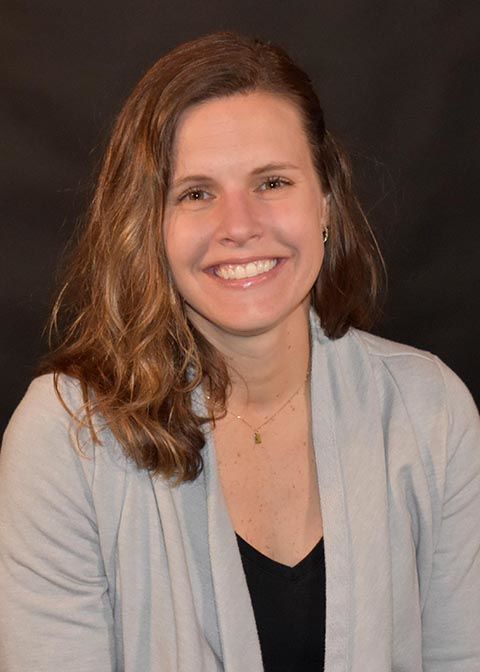
Dr. Tara McCarty is a licensed speech-language pathologist and assistant professor in the Communication Science and Disorders program at Penn State University- Harrisburg. Prior to teaching and conducting research, Tara worked clinically in Missouri and Pennsylvania primarily in school-based settings. Tara’s research focuses on communication solutions for individuals with multiple disabilities and cerebral/cortical visual impairment (CVI). Specifically, Tara investigates training for communication partners such as parents, paraeducators, and peers, as well as data collection and decision-making approaches to facilitate optimal AAC system design solutions for individuals with CVI.
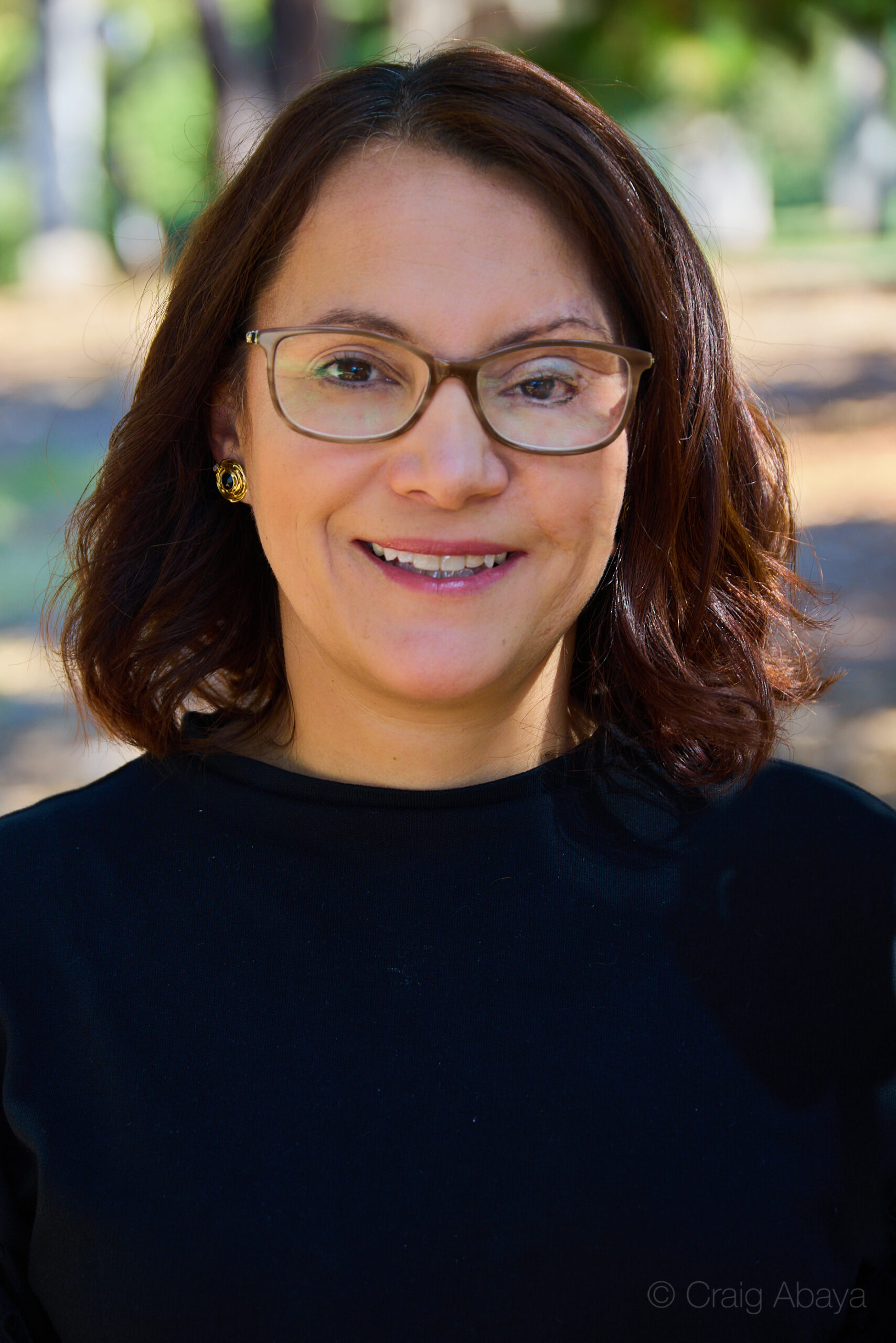
Gabriela Berlanga is a speech-language pathologist specializing in augmentative and alternative communication (AAC) and currently serves as the Executive Director of The Bridge School. She has served on the Executive Board of the International Society for Augmentative and Alternative Communication (ISAAC) and is a founding member of the North American Alliance for Communication Access (NAACA). Gabriela’s current areas of interest include working with children with cerebral/cortical visual impairment (CVI) who use AAC and advocating for communication access rights.
This session will introduce the CVI/AAC Framework as a complementary approach to typical AAC assessment procedures for individuals with CVI. Specifically, attendees will become familiar with the 3 primary domains of the framework: characteristics of the individual, responsibilities of the communication partner(s), and AAC system design choices. Attendees will be given examples to illustrate how each domain of the framework can be discussed within a team to help with data collection and decision making across time.
Participants will be able to:
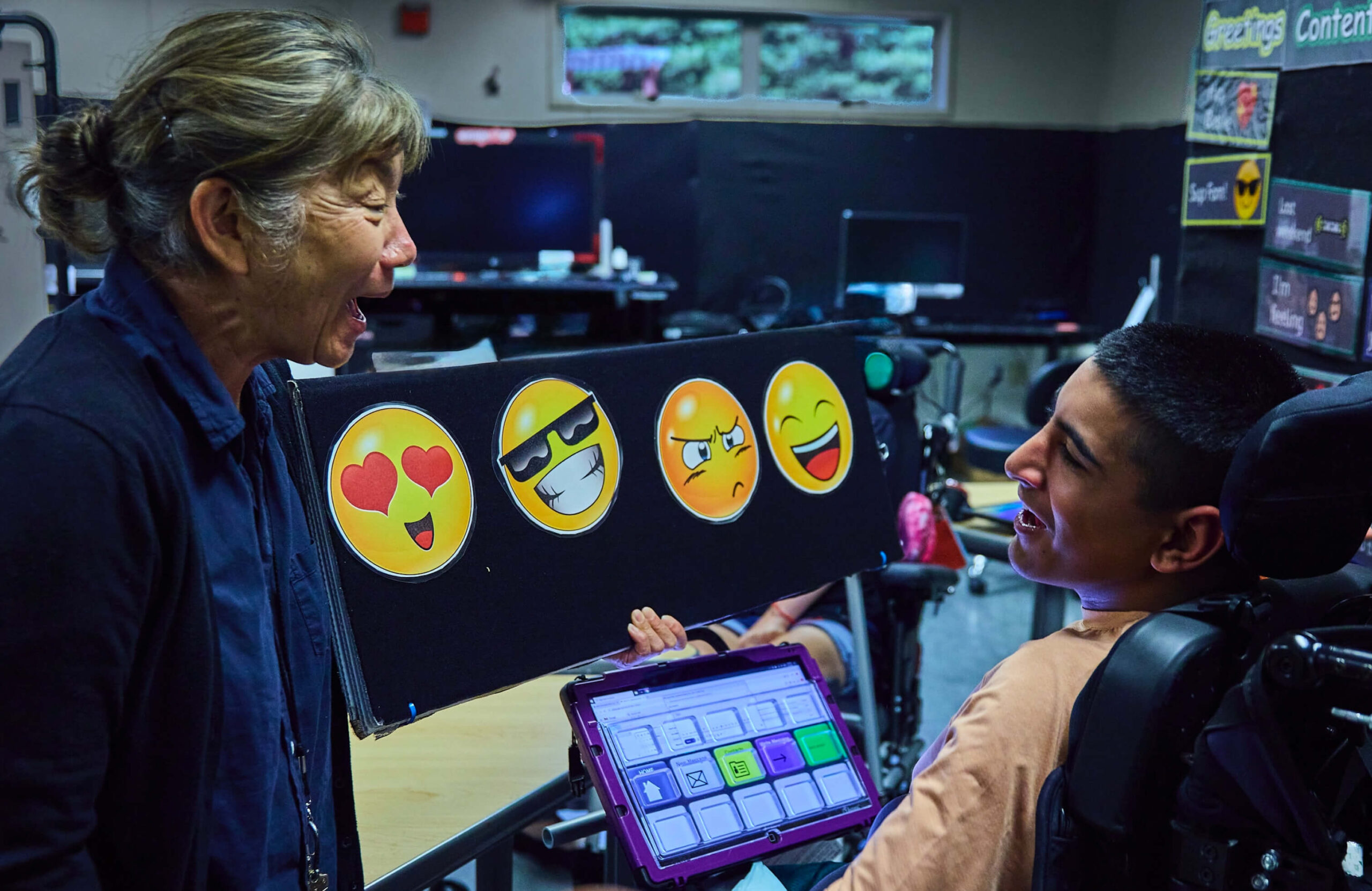
Join our collaborative team at Bridge to Life to deliver services that support communication, participation, and independence across the lifespan
Each contribution makes a difference in the lives of our children. Visit our secure donation page and fill out the form to make your secure online donation.

The Bridge School
545 Eucalyptus Avenue
Hillsborough, CA 94010-6404
T: 650-696-7295
F: 650-342-7598
© The Bridge School