AAC Bootcamp

Interactive AAC Bootcamp: Beyond the Basics

ASHA CE approved provider logo

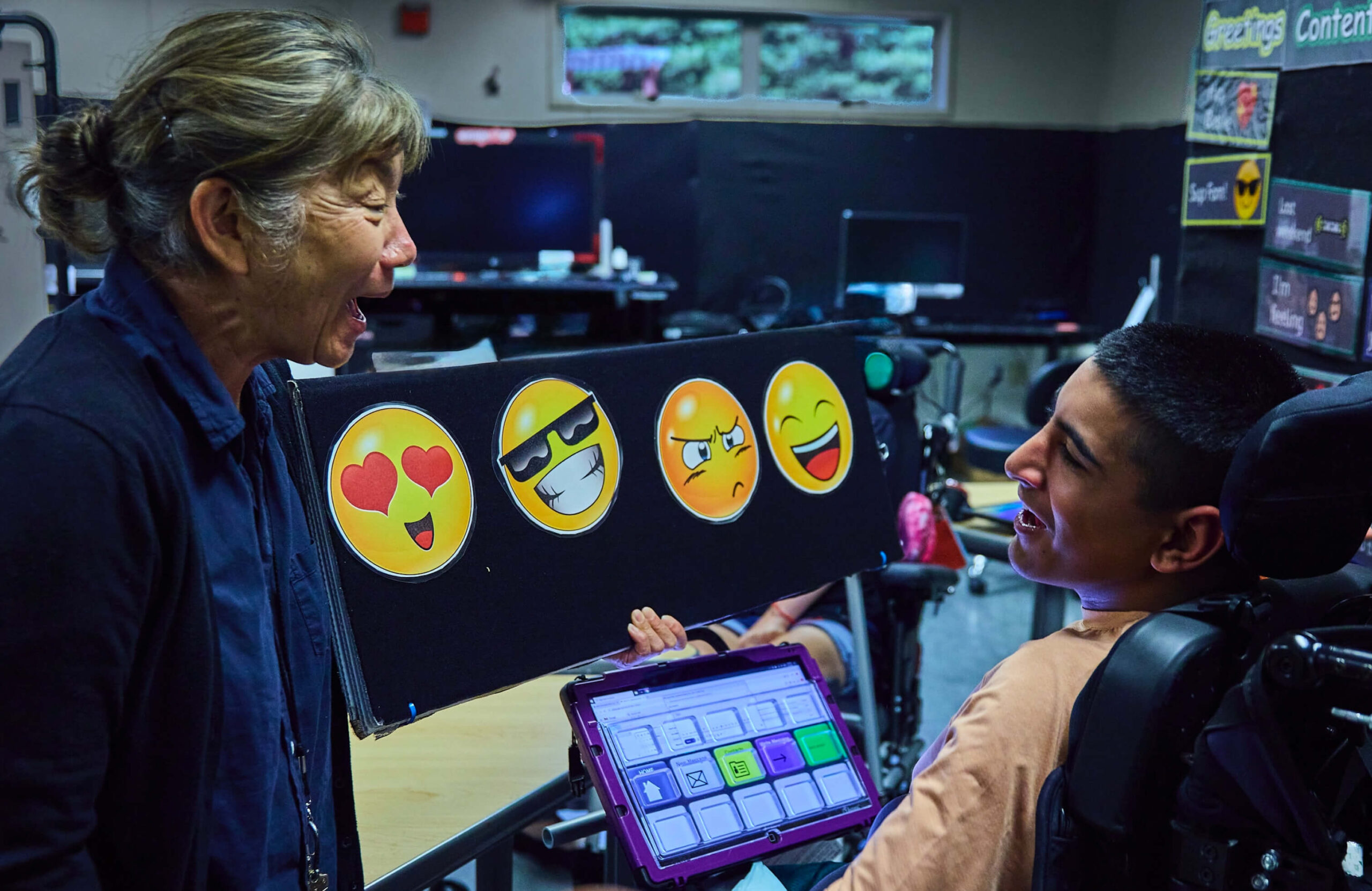
This intermediate-to-advanced AAC Bootcamp is designed for practitioners who are ready to deepen their expertise in assessing, planning and supporting individuals with complex communication needs. Through a highly interactive, hands-on learning experience, participants will strengthen their understanding of AAC assessment, tools and technologies, access methods, visual, physical and sensory considerations, and effective intervention strategies. 

Across the training, you will have the opportunity to immediately put theory into practice, use and adapt real-world tools and templates to take home, and engage in activities that illustrate how all components of AAC come together to support meaningful communication. 

Speakers and facilitators include Speech-Language Pathologists, Special Educators, CVI Specialists, Assistive Technology Specialists, and Occupational Therapists, offering a truly comprehensive and collaborative approach to AAC. 

Program includes: 

  1. The Complex AAC Profile 
  2. AAC Assessment: Seeing the Big Picture 
  3. Accommodations and Considerations for AAC Assessment 
  4. Access, Seating, and Positioning 
  5. Cortical/Cerebral Visual Impairment (CVI) and AAC 
  6. AAC Intervention Strategies 
  7. Reflection, Integration and Action Planning 

Audience: Professionals working in AAC
Dates: JUNE 15–18, 2026
Time: 9:00 AM – 4:00 PM (40% of the time will include hands-on activities)

Location: The Bridge School

Cost: $800

Learning Objectives

Day 1: AAC Assessment and CVI Complex Profile 

  • Describe the characteristics of the complex profile E.g. sensory, physical, access 
  • List and describe at least 3 tools or processes for AAC assessment 
  • Identify possible accommodations for AAC Assessment – Complex Profile (relate it to specific accommodations for a case) 
  • Identify and compare key features of a range of high-tech AAC devices, including access methods, language systems and technical specifications 

Day 2: Seating & Positioning, Mobility and Access 

  • Identify best practices for optimal seating and positioning for function and access to AAC for children with significant physical and communication disabilities.  
  • Discuss the potential benefits of providing upright, hands-free, self-initiated mobility to children with significant physical and communication disabilities who use AAC.     
  • List the benefits and drawbacks of various access methods for children with significant physical and communication disabilities who use AAC. 

Day 3: CVI and AAC 

  • Explain the reasons why a better understanding of CVI and its manifestations is essential for AAC practitioners 
  • List and describe at least 3 considerations for AAC Design and Assessment for individuals with CVI 
  • Identify one environmental accommodation for at least 5 of the CVI characteristics 

Day 4: Implementation 

  • Complete a comprehensive framework for a student, integrating the areas of language, motor, vision, sensory, positioning and access to develop appropriate intervention goals.  
  • Describe the sensory balance approach and identify how this approach can be used to identify interaction strategies for a student 
  • Design an Intervention Plan for a student with multiple disabilities, including a sample page of an AAC system and description of the accommodations to be implemented