The Use It on Monday Workshop Series is a multi-part professional learning opportunity for SLPs, AAC specialists, special educators, and assistive technologists.
Every session translates the latest research into practical strategies, ready-to-use resources, and hands-on activities you can apply with clients and students right away. No more leaving a workshop thinking, “That’s interesting, but how does it actually work in practice?” You’ll walk away with concrete tools you can use on Monday.
Each year, the series runs three workshops covering the most current topics in the field. This year’s lineup explores AAC and AI, accommodations for Cortical/Cerebral Vision Impairment, and independent mobility—including how it can support communication development and beyond.
Missed any of the workshops? The Use It on Monday Archive lets you catch up anytime.
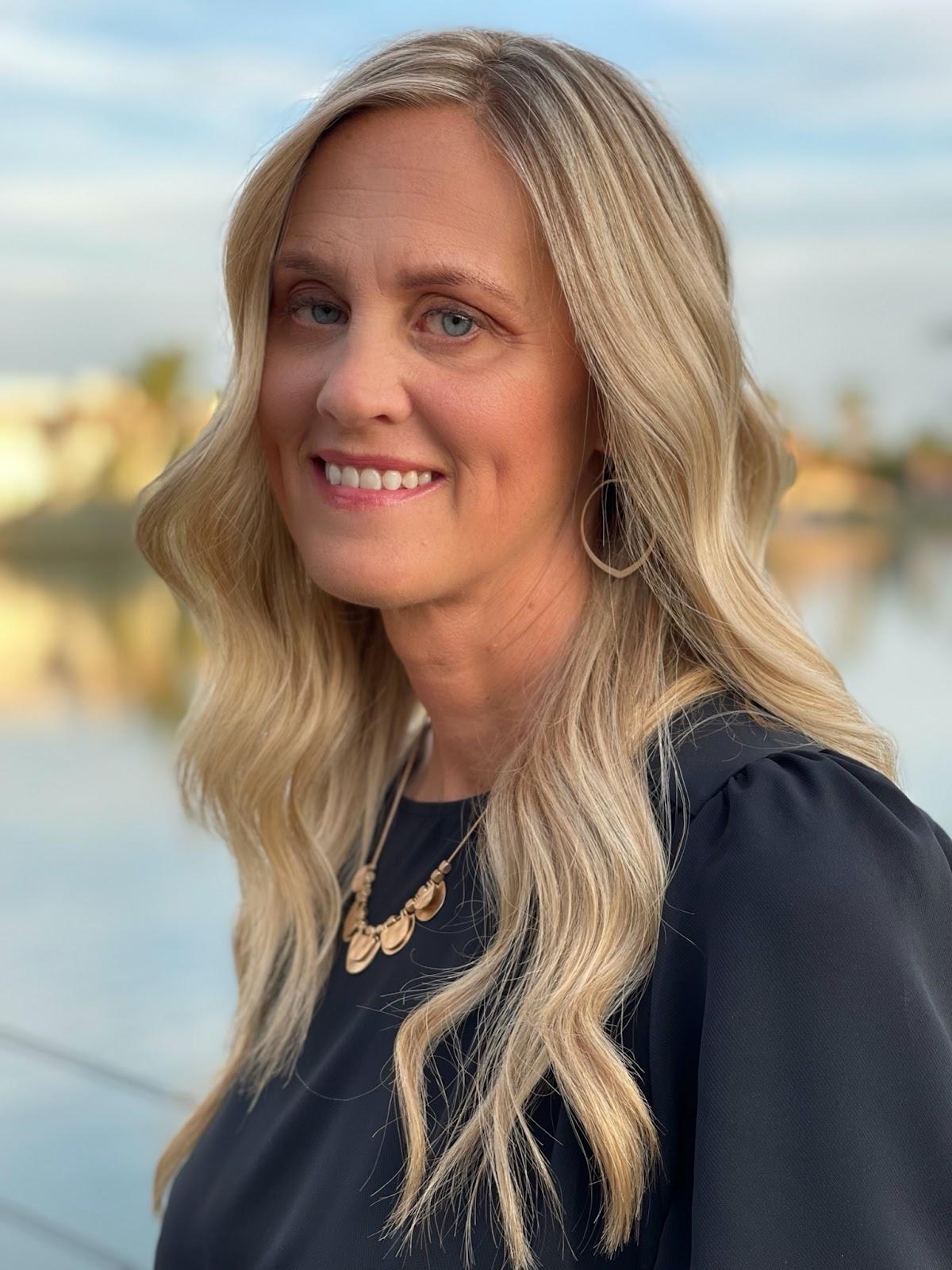
Presenters: Brenda Del Monte and Dr. Pippa Bellamy
Date: November 14, 2026
Time: 10 am – 12 pm PST
Cost: $59
Format: Live online via Zoom
CE Info: Live online workshops are reported to ASHA
Communication is never constructed alone. AAC users develop and express language within interactions with communication partners who model, interpret, teach, respond, and sometimes unintentionally shape what gets said. This session introduces the Co-Construction Framework, a proposed clinical lens for recognizing how communication partners influence participation, language development, authorship, agency, and human connection across seven forms of co-construction.
Participants will then take a deeper dive into AI-mediated co-construction, exploring how generative AI can expand ideas, vocabulary, language structures, literacy opportunities, and message generation without replacing the communicator as the source of meaning. Through clinical examples – including transforming a familiar Brown Bear activity from adult-directed instruction into child-driven authorship – participants will examine the difference between AI doing something for an AAC user and AI expanding possibilities the communicator can select, reject, revise, and make their own. Practical reflection tools, clinical decision-making strategies, and examples will help participants identify changes they can use immediately in AAC intervention.
Participants will be able to:
| Time | Minutes | Content |
| 0:00-0:10 | 10 | Why Co-Construction? Communication as human connection; communication vs. performance; introducing the central reflection question: “What did I learn from this communicator that I could not have known without them?” |
| 0:10-0:30 | 20 | The Co-Construction Framework – overview of the seven forms: Developmental, Multimodal, Interpretive, Instructional, AI-Mediated, Conversational, and Directive/Coercive. |
| 0:30-0:45 | 15 | Seeing Co-Construction Clinically – brief clinical examples across ages and access needs; recognizing how multiple forms can occur within the same interaction; “Do I already know the answer?” |
| 0:45-1:00 | 15 | Use It on Monday: Clinical Strategies for Co-Construction |
| 1:00-1:20 | 20 | Agency, Self-Determination, and Productive Struggle – support vs. over-facilitation; reducing unnecessary barriers while preserving meaningful communicative work; “Am I removing a barrier – or removing an opportunity?” |
| 1:20-1:40 | 20 | Deep Dive: AI-Mediated Co-Construction – authorship and agency; AI as a possibility generator; expanding ideas, vocabulary, and language structures; selection, rejection, revision, and regeneration. |
| 1:40-1:55 | 15 | Use It on Monday: Clinical Strategies for AI – practical prompting and decision-making strategies; analyzing examples; AI doing it FOR the communicator vs. AI expanding possibilities WITH the communicator; what to do when AI gets it wrong. |
| 1:55-2:00 | 5 | Reflection and Takeaway – participants identify one form of co-construction that comes naturally and one they want to strengthen; select one strategy to implement in practice. |
Join our collaborative team at Bridge to Life to deliver services that support communication, participation, and independence across the lifespan
Each contribution makes a difference in the lives of our children. Visit our secure donation page and fill out the form to make your secure online donation.

The Bridge School
545 Eucalyptus Avenue
Hillsborough, CA 94010-6404
T: 650-696-7295
F: 650-342-7598
© The Bridge School