Aileen Arai
Aileen Arai is a Special Education Teacher with the NPS Bridge School and NPA Bridge to Life programs, specializing in literacy, language, communication and AAC. She collaborates with multidisciplinary teams to develop, support and provide intervention for individuals with Cerebral and Cortical Visual Impairment who utilize AAC.
Gabriela Berlanga
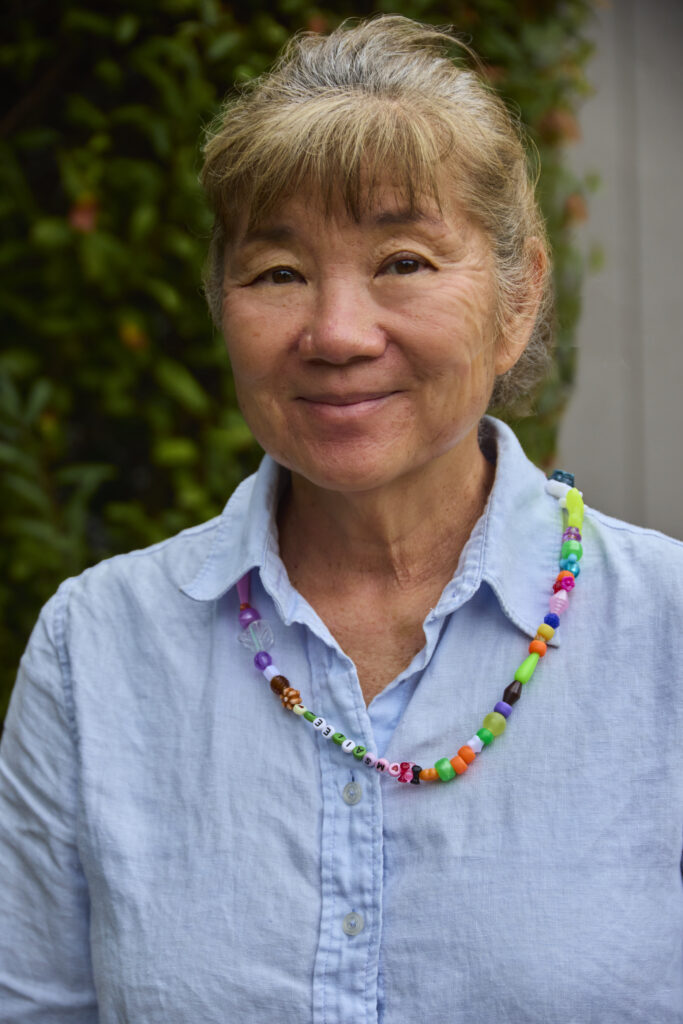
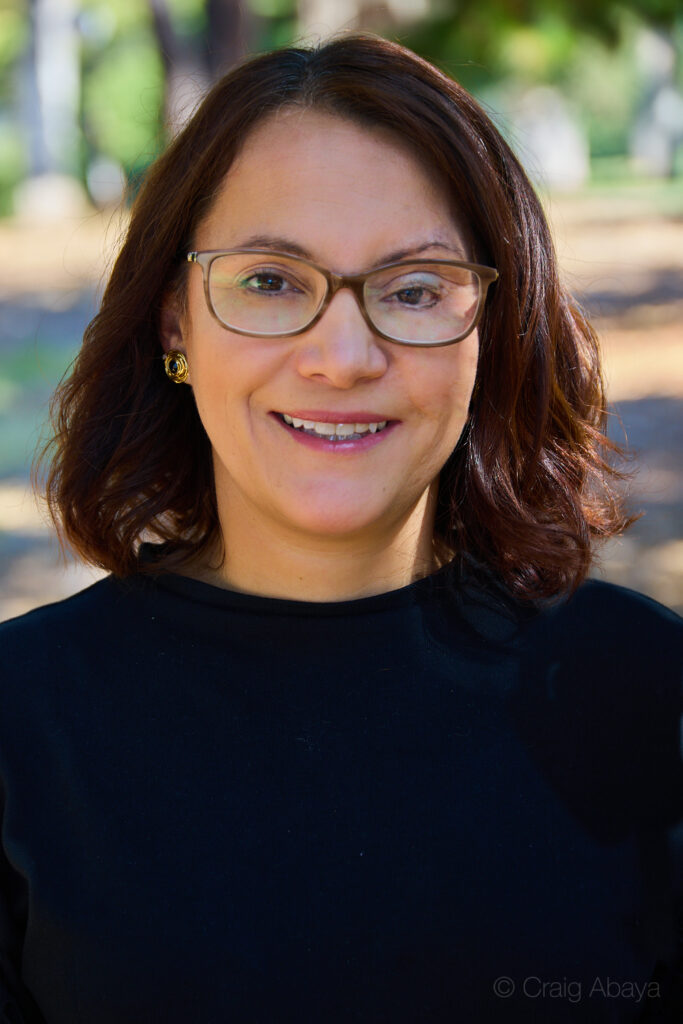
Gabriela Berlanga is a speech-language pathologist specializing in augmentative and alternative communication (AAC) and currently serves as the Executive Director of The Bridge School. She has served on the Executive Board of the International Society for Augmentative and Alternative Communication (ISAAC) and is a founding member of the North American Alliance for Communication Access (NAACA). Gabriela’s current areas of interest include working with children with cerebral/cortical visual impairment (CVI) who use AAC and advocating for communication access rights.
Dr. Jamie Boster
Dr. Jamie Boster is the Director of Research in Speech Pathology at Nationwide Children’s Hospital in Columbus, Ohio, and an adjunct assistant professor at The Ohio State University. Her primary area of expertise is augmentative and alternative communication (AAC). Dr. Boster’s research focuses on the design of AAC systems for children with visual impairments, including cortical visual impairment. She has also developed participation-based interventions for children who use AAC and their peers, and has explored co-treatment models involving speech-language pathologists and occupational therapists.
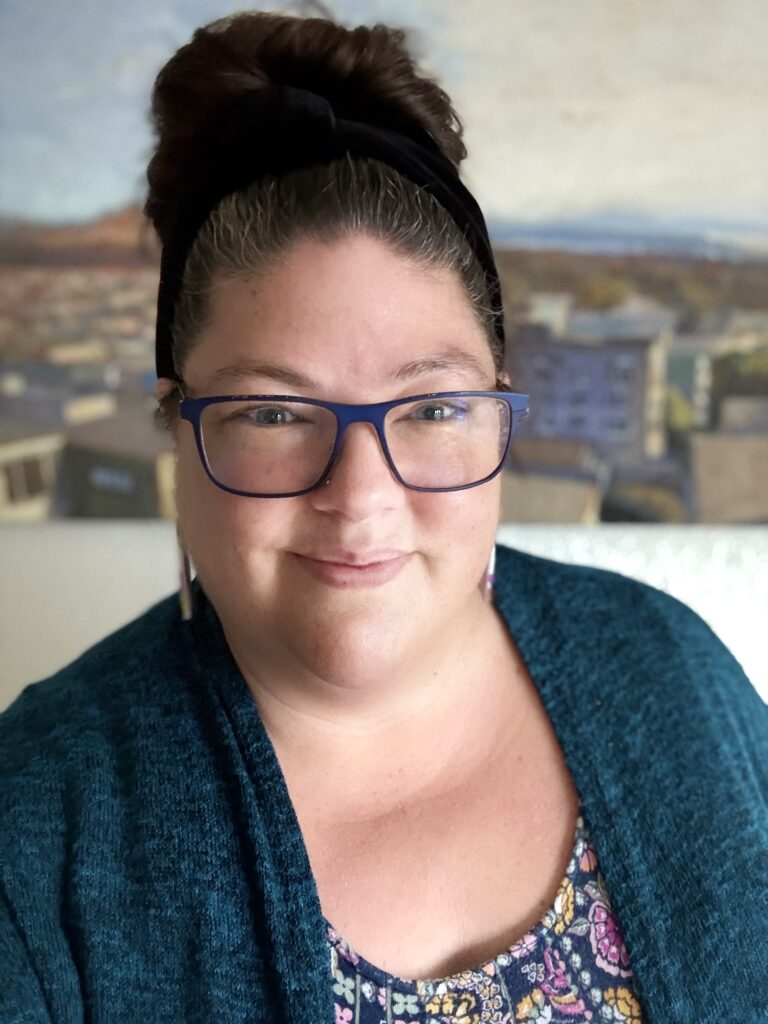
Tike DeMarco
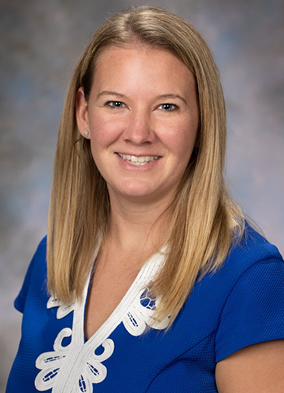
Tike M. DeMarco has a background in special education, program development, and transition planning. She supports individuals, families, and teams in building systems of support that increase access, equity, advocacy, and self-determination. She holds a Master of Public Administration and is a certified Assistive Technology Specialist. She is currently pursuing a Master of Arts in Clinical Mental Health Counseling with an emphasis in Marriage and Family Therapy and is a therapist-in-training at Samaritan House Free Clinics.
She serves as Director of Transition at The Bridge School (TBS) and is a service provider with Bridge to Life, an affiliate program of TBS. She leads the school’s Self-Determination Program, which integrates AAC mentors and the Framing A Future planning tool developed by King, Lunger, and Toomey (2005). She is also co-developing the Self-Determination Continuum, a framework designed to support and track the growth of self-determination skills over time.
Dr. Jana Iverson
Jana M. Iverson, Ph.D. is Christopher A. Moore Professor of Pediatric Rehabilitation and Associate Dean for Research at Sargent College of Health & Rehabilitation Sciences, Boston University. Her research, funded by NICHD, NIDCD, and Autism Speaks, focuses primarily on the interface between the development of early motor skills and the emergence of communication and language in neurotypical infancy and in infants with or at risk for neurodevelopmental conditions. Dr. Iverson has published a co-edited book and more than 100 articles and book chapters. She is on the editorial boards of the Journal of Child Language and Language Learning and Development and is a Fellow of the Association for Psychological Science.
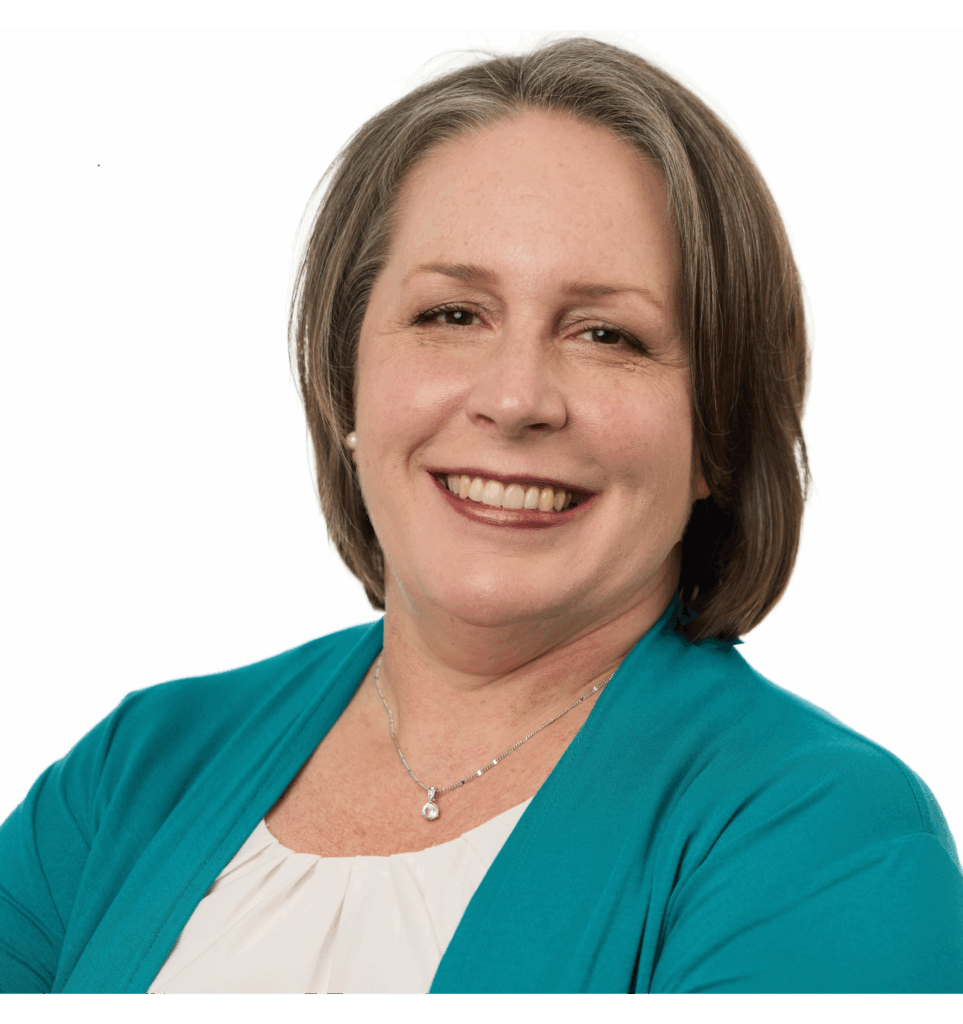
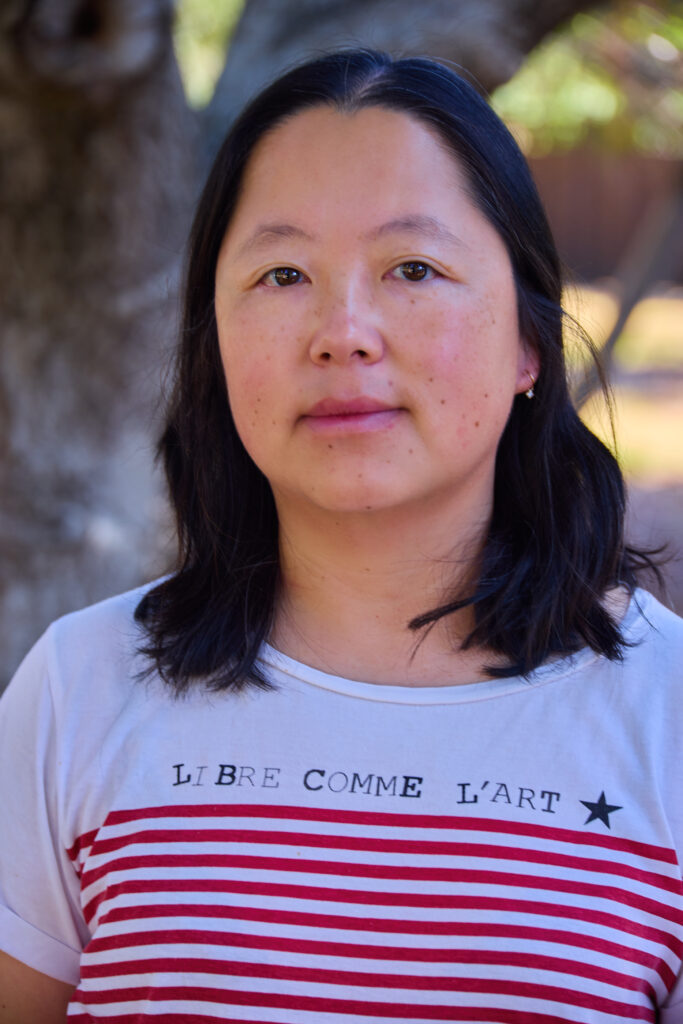
Dr. Fei Luo
Fei is the Director of Research at Bridge to Life, The Bridge School. She has extensive experiences working with children who use augmentative and alternative communication (AAC). She conducts research on improving AAC assessment and intervention for children with significant communication and physical disabilities and cortical/cerebral visual impairment (CVI). Her past projects include using hands-free support walkers with children with significant communication and physical disabilities, improving outcomes of children with CVI who use AAC, and analysis of face-to-face interaction between adult AAC users with ALS and familiar partners.
Lateef McLeod
Dr. Lateef McLeod is building his career as a writer and a scholar. He is a senior community research associate at Oregon Health and Science University in their University Center in Excellence in Developmental Disabilities. He has earned a BA in English from UC Berkeley and an MFA in Creative Writing from Mills College. He also recently obtained his doctorate from the Anthropology and Social Change doctoral program at California Institute of Integral Studies in San Francisco graduating at the end of last year. He published his first poetry book, entitled A Declaration of A Body Of Love, in 2010, chronicling his life as a black man with a disability. He also published another poetry book, entitled Whispers of Krip Love, Shouts of Krip Revolution, in 2020. He co-authored another book of poetry called Studies in Brotherly Love in 2021. He is currently writing a novel tentatively entitled The Third Eye Is Crying. He was in the 2007, 2016, 2020, and 2024 annual theater performances of Sins Invalid and also in their artist-in-residence performance in 2011 entitled Residence Alien. In 2019, he started a podcast entitled Black Disabled Men Talk. The podcast website is www.Blackdisabledmentalk.com. In 2022, he was an award recipient of the Wynn Newhouse Award for his long career as a disabled artist. More of his writings are available on his website, Lateefhmcleod.com.
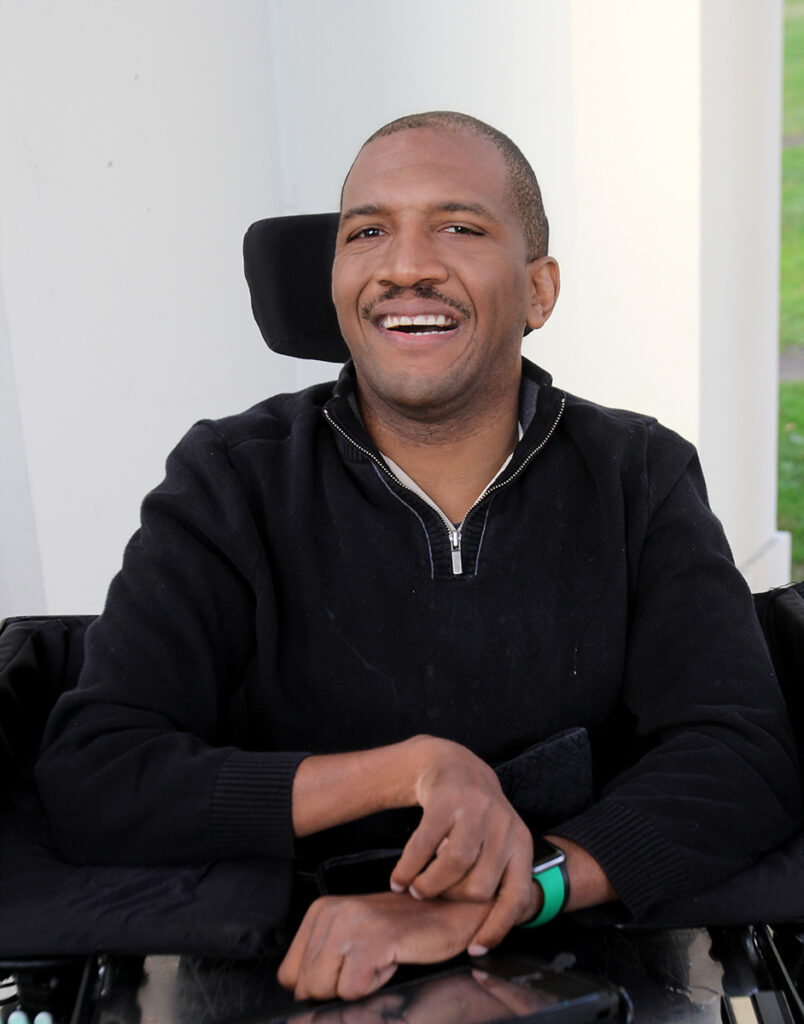
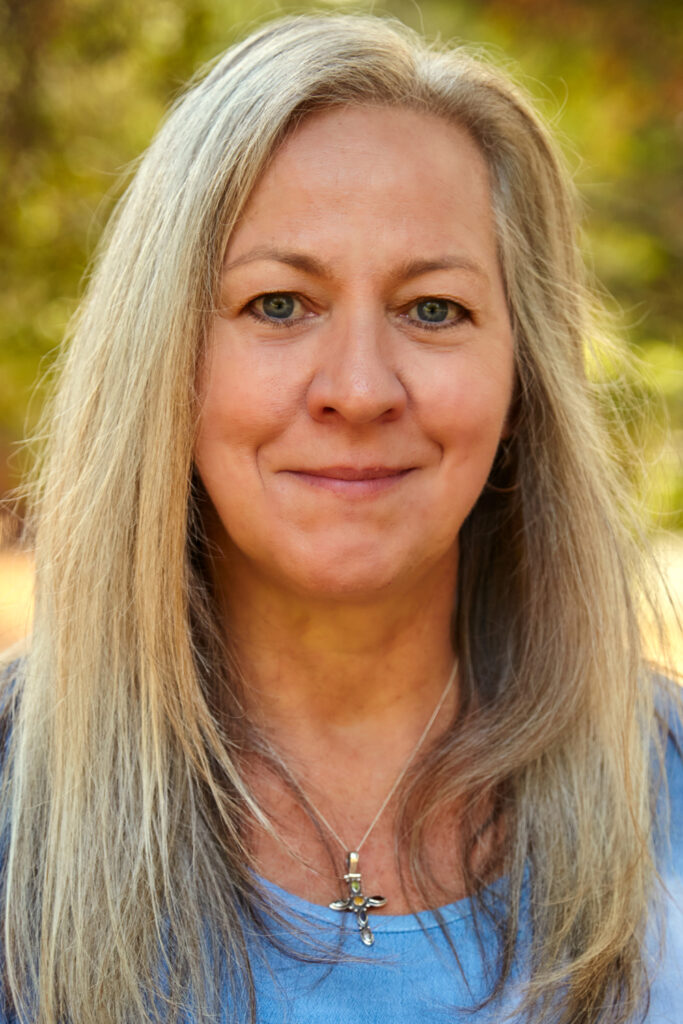
Joy McCollum‑Franco
Joy McCollum‑Franco, ATP, is a RESNA‑certified Assistive Technology Professional with 35 years of experience at The Bridge School. She specializes in evaluating and supporting students’ assistive technology needs in the areas of seating, positioning, access, and mobility, working directly in classroom settings to ensure individualized and effective solutions.
Gabriela Rangel
Gabriela Rangel, PhD, is a psychologist with over 17 years of experience supporting individuals who benefit from Augmentative and Alternative Communication (AAC) and their support networks. Her work focuses on fostering social-emotional learning, self-determination and advocacy, mental health, and overall well-being through communication-centered and relational approaches, in her roles as a trainer, consultant, and researcher.
She is a member of the ISAAC International Research Committee and the North American Alliance for Communication Access. She also serves as a professor at the Open University of Catalonia (UOC) and maintains active international collaborations, including with The Bridge School.
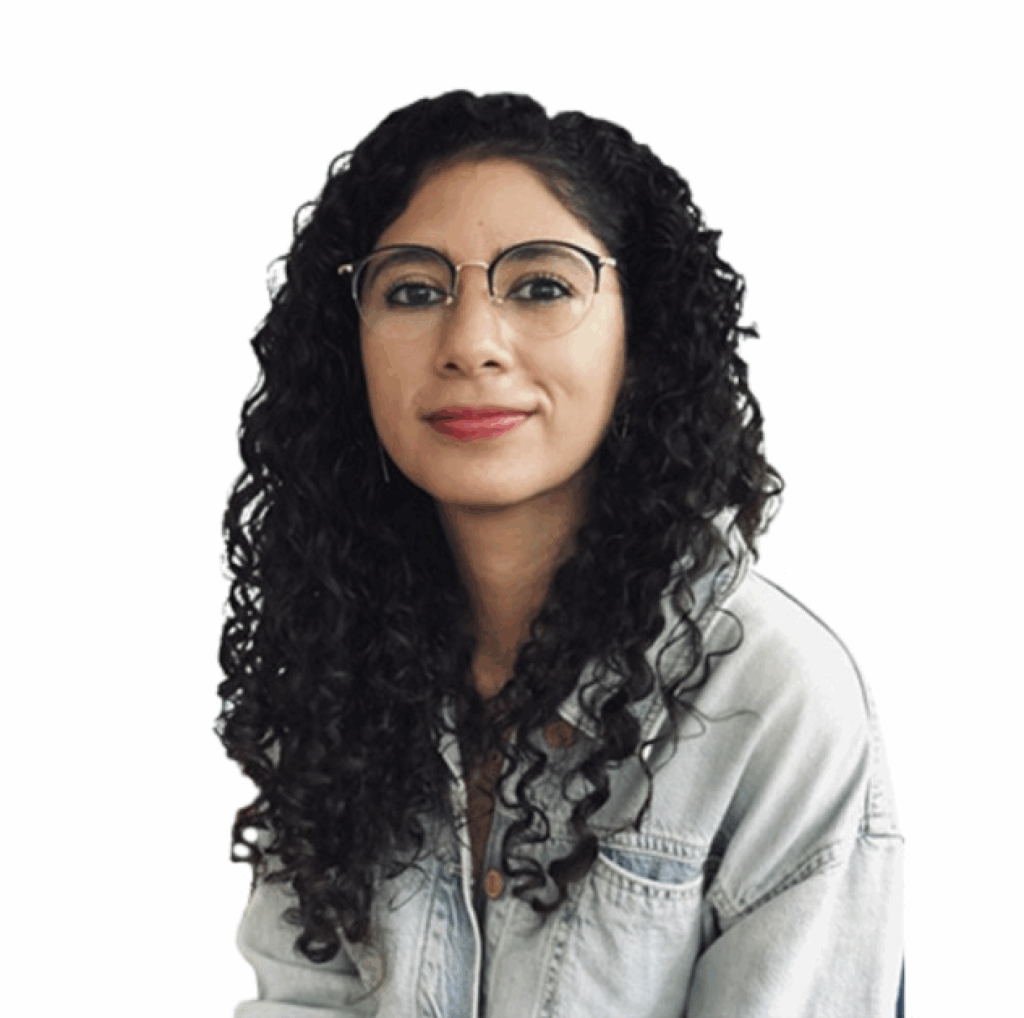

Patrick Regan
Patrick Regan lives in Anchorage, Alaska. He has been an AAC user for more than 29 years, receiving his first synthesized speech-generating device when he was 2.5 years old.
Patrick is the President-Elect of the United States Society For Augmentative and Alternative Communication (“USSAAC”), a member of USSAAC’s AAC Awareness and SABER Committees, and a member of the LEAD Committee of the International Society For Augmentative and Alternative Communication (“ISAAC”). He is a frequent moderator for LEAD’s chats, and is one of the organizers of LEAD’s book club for AAC users.
Patrick has been the Coordinator of Activities and Events for Bridging Communities Through Alternative Communication (“BCTAC”), a Bridge School adult outreach program, and BCTAC’s President. He has steered BCTAC’s Leadership Committee. And he has been organizing, leading and creating virtual activities for the members of that group as it has grown into a peer support group run solely by its members.
Patrick has been a mentor in The Bridge School’s Self-Determination Program, and has mentored young adult high school students. And he is a member of a coalition of AAC leaders working on peer-to-peer supports for AAC users.
Tyson Renze
Tyson Renze is an eye-gaze AAC user and a long-term mentor at The Bridge School, where he supports children who use Augmentative and Alternative Communication through the Self-Determination Program. He is a founding leader of the school’s outreach program, Bridging Communities Through Alternative Communication (BCTAC), and contributes to AAC groups (i.e., ISAAC) as a mentor, presenter, collaborator, and peer. He also participates in research and community education related to AAC and assistive technology. Tyson began using AAC at age seven. Because early technology offered limited tools and access, his abilities were often underestimated. Over time, he expanded his skills, learned Morse code, developed his technology systems using multiple access methods, strengthened his written communication, and took increasing ownership of directing his life. He now lives in Lodi, California, and advocates for accessibility, dignity of risk, and equal opportunity. He also mentors others to strengthen their self-determination and self-advocacy skills and helps build stronger supports and more inclusive communities.
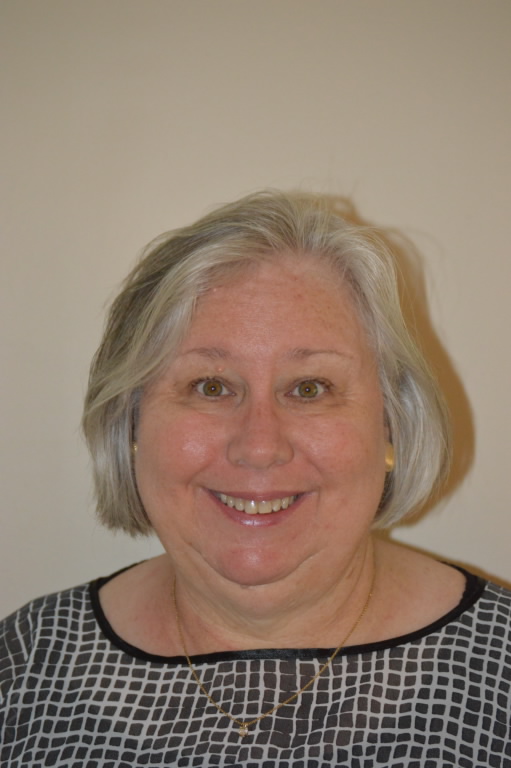
Dr. MaryAnn Romski
MaryAnn Romski, Ph.D. received her Ph.D. in speech-language pathology from the University of Kansas. She is an ASHA-certified speech-language pathologist and Regents Professor of Communication, Psychology, and Communication Sciences & Disorders at Georgia State University, Atlanta, GA. She is the Director of the Center for Research on Atypical Development and Learning (CRADL) and a founding member of the Center on Research on Challenges to Acquiring Language & Literacy (RCALL). Dr Romski is a Fellow of the American Association on Intellectual and Developmental Disabilities (AAIDD), the American Speech-Language and Hearing Association (ASHA), and the International Society for Augmentative and Alternative Communication (ISAAC). She received the Honors of ASHA in 2015, the AAIDD Leadership Award in 2019, and the AAIDD President’s Award in 2021.
Her research program focuses on the communication development of children and adults with developmental disorders who encounter difficulty speaking, particularly the development and evaluation of computerized communication interventions. Dr. Romski has published 3 books, more than 150 articles, and chapters, and has given numerous national and international presentations. She extended her intervention research with colleagues in South Africa with the development of a self-guided app to teach parent communication strategies to use with their children at home. She is the past chair of the National Joint Committee (NJC) on the Communication Needs of Individuals with Severe Disabilities and remains AAIDD’s representative. Dr Romski is the Co-Editor of the international journal, Augmentative and Alternative Communication.
Caitlin Sale
Caitlin is a special education teacher specializing in physical, health and communication disabilities in the classroom and integrating AAC/AT tools and supports within the educational environment. She currently serves as the Director of Education of The Bridge School.
Dr. Rose Sevcik
Rose A. Sevcik, Ph.D. is Regents’ Professor of Psychology at Georgia State University, Atlanta, and Co-Director of the Center for Research on the Challenges of Acquiring Language and Literacy (RCALL). She is a Fellow of the American Speech-Language-Hearing Association (ASHA), the International Society for Augmentative and Alternative Communication (ISAAC), the American Association on Intellectual and Developmental Disabilities (AAIDD), and the Association for Psychological Science (APS). She is past President of AAIDD’s Communication Disorders Division and former Coordinator for ASHA’s Special Interest Division 12: AAC. Her funded research program focuses on the language, literacy and communication development of children and youth with significant developmental disabilities. She has an extensive publication record and has given numerous presentations to national and international audiences. She is a member and Co-Chair of the National Joint Committee on the Communication Needs of Individuals with Severe Disabilities and the co-editor of the international journal AAC.
Alyssa Sims
Alyssa Sims is a Speech Language Pathologist who has worked at The Bridge School since 2023. She completed her Master’s in Speech Language Pathology from Northeastern University where she worked clinically at Perkins School for the Blind, Boston Children’s Hospital and the Franklin Early Childhood Center in Melrose, MA. Alyssa holds both clinical and research interests in early childhood education, Augmentative and Alternative Communication (AAC) and Cortical visual impairment (CVI).
Each contribution makes a difference in the lives of our children. Visit our secure donation page and fill out the form to make your secure online donation.

The Bridge School
545 Eucalyptus Avenue
Hillsborough, CA 94010-6404
T: 650-696-7295
F: 650-342-7598
© The Bridge School